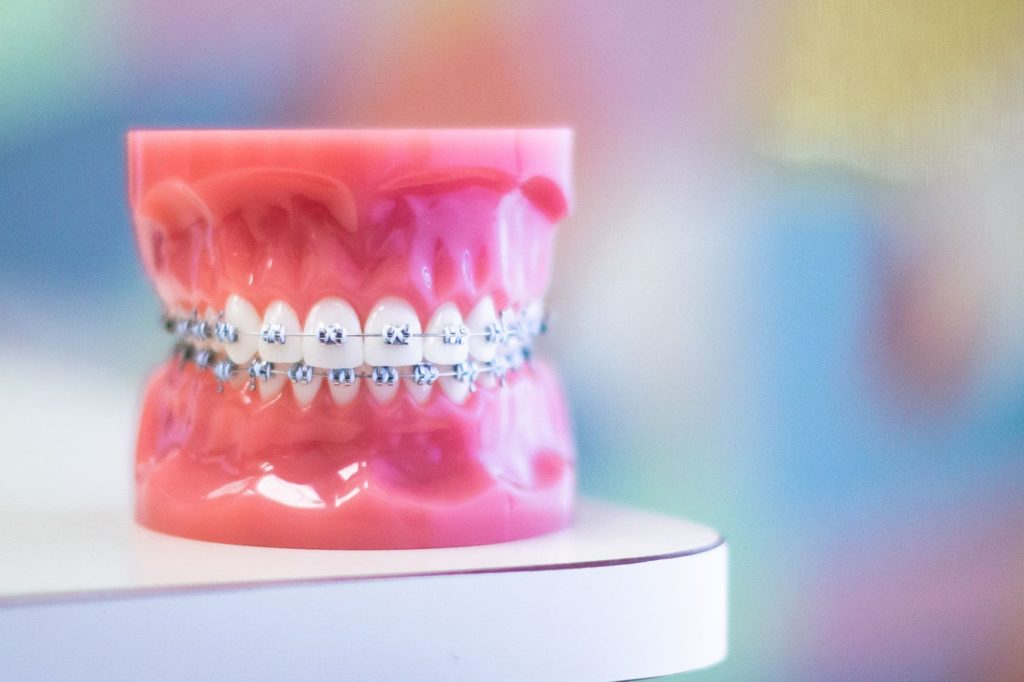
Braces: Types, Timeline, and How They Work
Braces are orthodontic appliances designed to straighten teeth and correct bite problems by applying gentle, controlled pressure over time. That pressure gradually shifts teeth into their ideal positions, creating a healthier, more balanced smile.
If you’re considering braces in Greensboro, you have more options than ever before. Modern orthodontics offers metal braces, LightForce clear braces, and clear aligners, each with unique advantages for different lifestyles and treatment needs. These options address common concerns like crowding, gaps between teeth, overbites, underbites, crossbites, and jaw alignment issues.
Families at Mack Orthodontics have access to advanced technology like LightForce custom 3D-printed braces, designed specifically for each person’s teeth. Dr. Kervin Mack, board-certified by the American Board of Orthodontics, uses digital scanning technology instead of messy traditional impressions to create precise treatment plans. No goopy, gaggy impressions. Just a quick, comfortable digital scan in an office that feels like home.
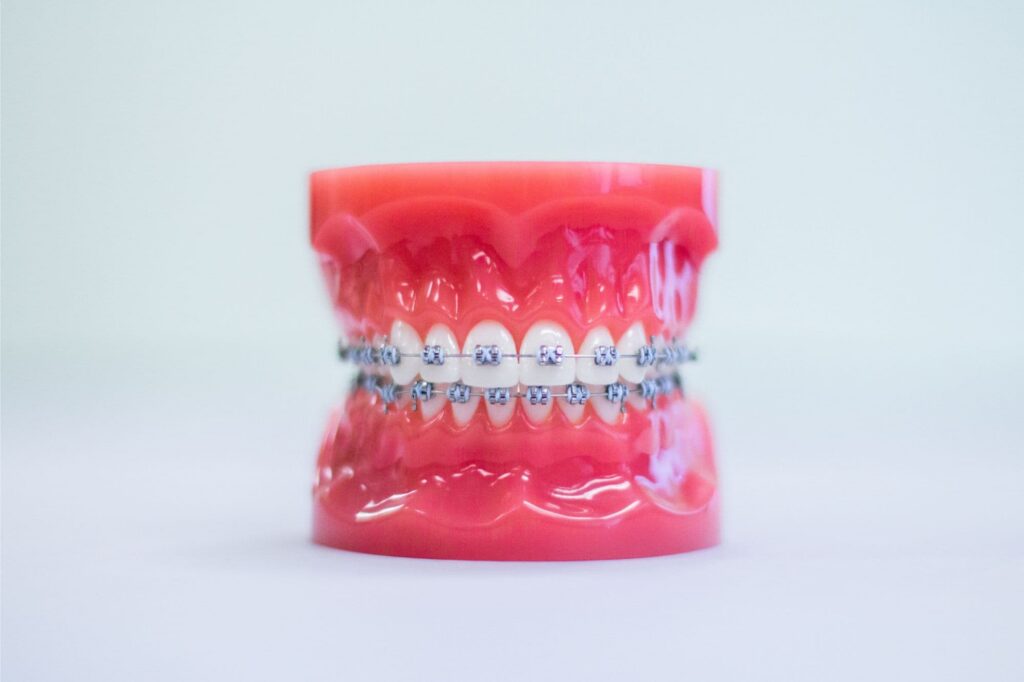
How Do Braces Work? The Treatment Process Step by Step
Getting braces is simpler than most people expect. The process involves four main steps: a free consult, custom bracket placement, regular adjustment visits every 4 to 8 weeks, and a retention phase with retainers. Most treatment takes 12 to 24 months.
Step 1: Your Free Consult
Your new smile starts with a free consult. During this first visit, Dr. Mack takes digital photos and X-rays to evaluate your teeth, bite, and jaw. You’ll talk through your goals and learn which treatment options fit your situation best. Many families can even start treatment the same day, which saves an extra trip.
Step 2: Custom Bracket Placement
Once you’re ready to begin, Dr. Mack places brackets on your teeth. With LightForce clear braces, each bracket is 3D-printed to fit the unique shape of your individual teeth. Then the initial wire is threaded through the brackets to start guiding your teeth into position.
Step 3: Regular Adjustment Visits
You’ll return to the office every 4 to 8 weeks for adjustments. These are quick visits. During each appointment, Dr. Mack checks your progress and adjusts your wires to keep teeth moving. Shape-memory NiTi wires apply continuous, gentle pressure, so your teeth keep shifting between appointments.
Step 4: Retention
After your braces come off, retainers keep your teeth in place. Dr. Mack will explain exactly how and when to wear them.
Most people wear braces for 12 to 24 months, though your timeline depends on your specific needs.
Top Benefits of Getting Braces
Straightening your teeth does more than improve your appearance. Braces can improve oral health by making teeth easier to clean, reduce jaw discomfort caused by bite misalignment, boost your confidence, and provide a more comfortable treatment experience than older orthodontic methods. People of all ages benefit, from kids to adults.
How Do Braces Improve Oral Health?
Straight teeth are simply easier to brush and floss properly. When teeth overlap or crowd together, food and plaque hide in spots your toothbrush can’t reach. Once your teeth are aligned, daily cleaning becomes far more effective, and your risk of cavities and gum disease drops.
Can Braces Help With Jaw Pain and Headaches?
A misaligned bite puts extra stress on your jaw joints and muscles. Correcting your bite can relieve chronic jaw discomfort, headaches, and uneven tooth wear. Many families at Mack Orthodontics in Greensboro are surprised by how much better they feel after treatment, not just how much better they look.
How Do Braces Boost Confidence?
So many people tell us their new smile changed how they feel about themselves. Smiling without feeling self-conscious makes a real difference in daily life, whether you’re at work, at school, or just catching up with friends. That kind of confidence is hard to put a price on.
Are Modern Braces More Comfortable Than They Used to Be?
Today’s braces are lighter, smaller, and more comfortable than older designs. Smooth, rounded edges on modern brackets prevent irritation to your lips and cheeks. The materials have improved significantly, too, so treatment feels less intrusive from day one.
Can People of All Ages Get Braces?
Kids, teens, and adults all benefit from orthodontic care. It’s never too late to start loving your smile. Whether you’re a parent exploring options for your child or an adult who’s been thinking about treatment for years, there’s a path that works for you.
Metal Braces vs. Clear Braces vs. Clear Aligners: Which Is Right for You?
Choosing the right treatment depends on your lifestyle, budget, and orthodontic needs. Here’s how the main options compare:
| Feature | Metal Braces | LightForce Clear Braces | Clear Aligners |
|---|---|---|---|
| Visibility | Most noticeable | Tooth-colored, less visible | Nearly invisible |
| Comfort | Smooth, rounded brackets | Custom-fit for each tooth | Removable, no brackets |
| Best For | Complex cases, all ages | Precise treatment, aesthetics | Mild to moderate cases |
| Removable | No | No | Yes |
| Treatment Time | 12 to 24 months typical | May be shorter in some cases | 12 to 18 months typical |
| Cost | Most affordable option | Mid-range | Varies by brand |
Metal braces remain the most reliable choice for complex orthodontic cases. They handle severe crowding, significant bite issues, and jaw alignment problems effectively across all age groups.
LightForce clear braces are fully personalized using 3D printing technology. Each bracket matches the exact shape of your tooth, which can mean more precise movement. They blend in more than metal braces, making them popular with teens and adults who prefer something less noticeable.
Clear aligners are removable trays that straighten teeth without brackets or wires. They work well for mild to moderate cases. You can take them out to eat, brush, and floss, which appeals to people who want flexibility during treatment.
Dr. Mack helps families choose between these options based on a full evaluation and an honest conversation about your goals. That’s why every treatment plan starts with a free consult, so you get a recommendation based on your actual teeth, not a guess.
How Much Do Braces Cost?
Braces generally range from around $3,000 to $7,000, depending on treatment type, case complexity, duration, and insurance coverage. Metal braces tend to be the most affordable, while clear aligners and custom options like LightForce can cost more. Your actual investment depends on several factors:
- Treatment type. Metal braces are typically the lowest-cost option. LightForce braces and clear aligners are priced higher due to customization and materials.
- Case complexity. Simple alignment issues require less time and cost less than severe bite problems.
- Treatment duration. Longer treatment means more office visits and adjustments.
- Insurance coverage. Many dental insurance plans include orthodontic benefits that cover a portion of treatment.
Don’t let cost concerns keep you from exploring your options. Mack Orthodontics offers flexible payments designed to fit your family’s budget. You can also receive a discount for paying in full upfront.
The best way to know your actual cost? Schedule a free consult. You’ll receive a personalized treatment plan with clear pricing, no surprises. The Mack Ortho team also files insurance claims on your behalf, making the process easier for Greensboro families.
Who Is a Good Candidate for Braces?
Braces help people at virtually every age. Dr. Mack and the Mack Orthodontics team see families from across the Greensboro area, and here’s who benefits most:
- Kids ages 7 and up. The American Association of Orthodontists recommends an orthodontic evaluation by age 7. Early treatment can prevent more serious issues from developing later.
- Teenagers. Teens are the most common braces candidates. Most permanent teeth have come in by this point, making it an ideal time for full treatment.
- Adults. Whether you never had braces as a teen or your teeth have shifted over time, it’s not too late. Clear braces and aligners make adult treatment more discreet. Plenty of adults are choosing to straighten their teeth now, and the results speak for themselves.
- Anyone with bite issues. Crowding, gaps, overbite, underbite, or crossbite can all be corrected. Dr. Mack, board-certified by the American Board of Orthodontics, works with each person to determine the right approach based on their specific needs and goals.
Frequently Asked Questions About Braces
How long do braces take?
Most people wear braces for 12 to 24 months. Simple cases can finish in under a year, while complex bite corrections take longer. Dr. Mack will give you a realistic timeline during your free consult.
Do braces hurt?
You can expect mild soreness for a day or two after getting braces and after adjustments. That’s completely normal. Soft foods and warm saltwater rinses help with the discomfort, and most people adjust within a few days. Over-the-counter pain relievers can also take the edge off if needed.
Can adults get braces?
Absolutely. Adults make up a growing share of orthodontic families. There’s no age limit for straightening your teeth. Many adults at Mack Orthodontics in Greensboro choose LightForce clear braces or clear aligners for a more subtle look during treatment.
What foods should I avoid with braces?
Hard foods like nuts, ice, and hard candy can break brackets. Sticky foods like caramel and gum can pull brackets off. Chewy foods like bagels and licorice can damage wires. Your orthodontist will give you a full list, plus plenty of braces-friendly alternatives.
How do I schedule a free consult?
Scheduling is easy. You can book a free consult online or call the Mack Orthodontics office directly. Both in-person and virtual options are available. During your first visit, you’ll get a full evaluation, learn about your treatment options, and receive a personalized cost estimate with no obligation.